
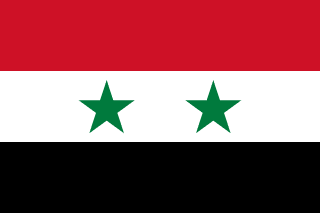
Syria Syrian Arab Republic
A comprehensive TEDRIC country research profile examining Syria through history, civilization, economy, human capital, reconstruction, science, technology, heritage, environment, regional relations and long-term development.
Syria: civilization, transition and reconstruction
Syria is one of the world's most historically significant countries, with a cultural landscape shaped by ancient civilizations, Roman and Byzantine cities, Islamic dynasties, Ottoman institutions and modern Middle Eastern history.
The country is simultaneously entering a major political and economic transition. Reconstruction, institutional development, human capital, infrastructure renewal and the preservation of exceptional cultural heritage will define much of Syria's long-term trajectory.
Syria at a glance
A country at the intersection of history and transformation
Economic Transition
Syria is moving from prolonged economic contraction toward a fragile recovery shaped by reconstruction, investment, sanctions relief and institutional reform.
Civilizational Heritage
Damascus, Aleppo, Palmyra, Bosra and Syria's ancient villages preserve an exceptional record of human civilization.
Regional Position
Syria links the eastern Mediterranean, Mesopotamia, Anatolia and the Arabian Levant through geography, trade and strategic connectivity.
One of the world's deepest historical landscapes
Damascus and Aleppo


From prolonged contraction toward recovery
Economic Base
Years of conflict severely reduced productive capacity, investment, industrial output, energy production and trade connectivity.
Recovery
The World Bank reports emerging signs of recovery, supported by improved connectivity, easing sanctions, returning populations and reconstruction demand.
Long-Term Challenge
Restoring productive capacity will require major investment in energy, infrastructure, finance, agriculture, manufacturing and human capital.
Selected economic signals
Reconstruction on an exceptional scale
Institutional transition and state capacity
Political Transition
Syria has been undergoing a major political transition since the fall of the Assad government in December 2024. Institutional consolidation, national reconciliation and territorial governance remain central questions.
Institution Building
The long-term development agenda requires stronger public institutions, professional administration, transparent financial systems and reliable public services.
Key stages in Syria's historical trajectory
Ebla, Mari and Ugarit
Ancient Syrian centres contribute to writing, administration, trade and the cultural development of the Near East.
Cities and trade networks
Palmyra, Bosra and other centres become important nodes in regional and international trade systems.
Islamic transformation
Syria becomes a central territory of the early Islamic world, with Damascus becoming the capital of the Umayyad Caliphate.
Fortresses and regional powers
The Syrian landscape becomes a major zone of interaction among different regional powers and civilizations.
Ottoman Syria
Syria becomes part of the Ottoman imperial system for approximately four centuries.
Modern state formation
The modern Syrian state emerges through mandate, independence and successive political transformations.
War and displacement
The conflict produces enormous humanitarian, economic, social and infrastructure consequences.
Transition and reconstruction
Syria enters a new phase focused on institutional transition, economic stabilization, reconstruction and national recovery.
Sectors with long-term potential
Agriculture
Grain, olive production, horticulture and food processing.
Manufacturing
Rehabilitation of industrial capacity and local supply chains.
Tourism
Heritage, archaeology, religious and cultural tourism.
Logistics
Regional trade routes and Mediterranean connectivity.
A population shaped by displacement and return
Education as the foundation of national recovery
Digital reconstruction and knowledge networks
Digital Infrastructure
Modern telecommunications and digital public services can accelerate administrative and economic recovery.
Research Networks
International university partnerships can reconnect Syrian research communities with global scientific networks.
Technology Entrepreneurship
Digital businesses can create employment and exportable services with relatively low physical infrastructure requirements.
Restoring health-system resilience
Health Infrastructure
Hospitals, primary care, medical supply chains and health professionals represent a critical component of reconstruction.
Social Protection
Humanitarian assistance needs to progressively connect with sustainable social protection, livelihoods and public-service systems.
Reconstruction as modernization
Electricity
Reliable generation, transmission and distribution.
Water
Urban water supply and resilient water management.
Transport
Roads, airports, ports and regional logistics.
Digital
Telecommunications and digital public infrastructure.
Water, drought and ecological resilience
Syria's strategic position in the Levant
Eastern Mediterranean
Syria's Mediterranean coast provides access to regional maritime networks.
Levant
Syria occupies a central geographical position between Türkiye, Iraq, Jordan, Lebanon and the Mediterranean.
Regional Integration
Improved trade corridors could contribute to long-term economic recovery.
Security beyond the military dimension
Food Security
Reliable food production and supply chains.
Energy Security
Stable and diversified energy systems.
Water Security
Resilient water infrastructure and management.
Human Security
Safety, livelihoods, health and social stability.
The cities of Syria
Damascus
Historic capital · UNESCO World Heritage
Aleppo
Historic commercial city · UNESCO World Heritage

Palmyra
Ancient oasis city · UNESCO World Heritage
The desert crossroads of antiquity
Palmyra
An ancient oasis and trading centre connecting the Mediterranean world with the interior of the Near East.
Six World Heritage properties
Ancient City of Damascus
Historic urban and cultural heritage.
Ancient City of Bosra
Roman, Byzantine and Islamic heritage.
Site of Palmyra
Ancient oasis city and archaeological landscape.
Ancient City of Aleppo
Historic urban and commercial centre.
Crac des Chevaliers and Qal’at Salah El-Din
Historic fortress landscape.
Ancient Villages of Northern Syria
Archaeological rural landscapes.
Bosra and the medieval fortress landscape


A multi-layered religious landscape
Islamic Heritage
Damascus and other Syrian cities contain major Islamic architectural, scholarly and cultural traditions.
Christian Heritage
Syria contains some of the oldest Christian communities and historic Christian sites in the Middle East.
Plural Historical Landscape
Syrian history has been shaped by multiple religious communities and traditions interacting across centuries.
Heritage as a future economic asset
Archaeology
Palmyra, Bosra, Ebla and ancient villages.
Religious Tourism
Historic mosques, churches and pilgrimage landscapes.
Urban Heritage
Damascus, Aleppo and historic souqs.
Cultural Economy
Crafts, food, architecture and cultural industries.
The scale of the rebuilding challenge
Six pillars of Syria's long-term transformation
Institutional Renewal
Professional, transparent and effective public institutions.
Economic Recovery
Investment, private enterprise and productive capacity.
Human Capital
Education, health, skills and youth employment.
Infrastructure
Energy, water, transport and digital networks.
Heritage
Conservation, research and sustainable cultural tourism.
Regional Integration
Trade, connectivity and international cooperation.
Future research agenda for Syria
Education
Universities, schools, vocational training and digital education.
Economy
Reconstruction, SMEs, industry, agriculture and investment.
Science & Technology
Digital transformation, research and innovation ecosystems.
Health
Health infrastructure, public health and social protection.
Heritage
Archaeology, conservation and cultural economy.
Environment
Water, drought, agriculture and climate adaptation.
Syria as a reconstruction laboratory
Syria at a glance
Primary reference institutions
Syria Research Profile
Syria stands at a historic turning point. Its extraordinary civilizational heritage, strategic geography, human capital and economic potential provide a foundation for long-term renewal, while reconstruction, institutional development, social recovery and regional integration will determine the country's future trajectory.