
Romania
A research-centre profile of Romania across economy, industry, science and technology, society, infrastructure, the Black Sea region, culture and European connectivity.
Romania at a Glance
Romania combines a large Central and Eastern European market with Black Sea access, the Carpathians, the Danube and a diversified industrial and service economy. Current official statistics show a resident population of about 19.04 million at 1 January 2026.
Bucharest
Capital, government, finance, universities and major research institutions.
Black Sea
Constanța and the maritime system connect Romania to wider regional trade.
Carpathians
Mountain ecosystems, forests, biodiversity and tourism form a major geographic system.
Danube
River transport, ports, agriculture, ecosystems and European connectivity.
Geography & Strategic Position
Romania borders Hungary, Serbia, Bulgaria, Ukraine and Moldova and has a Black Sea coastline. The Carpathian arc, Transylvania, the Moldavian and Wallachian plains and the Danube Delta create distinct regional research systems.
Constanța, the Danube and the Black Sea give Romania a maritime and continental connectivity role within South-Eastern Europe.

Economic Performance — Indicators & Diagrams
Romania's GDP was unchanged quarter-on-quarter in Q2 2026 and 0.4% lower than Q2 2025 on the unadjusted series. The European Commission's May 2026 forecast had projected broadly stagnant real GDP growth for 2026.
Sources: INS / Eurostat. Indicators are shown with their respective units and periods; bar lengths are visual aids, not a common statistical scale.
Visual trend based on published GDP growth observations; exact values should be read from the official statistical series.
Automotive & Manufacturing
Vehicle production, components, machinery, electronics and industrial supply chains are significant research fields.
IT & Digital Services
Software, digital services, cybersecurity and engineering skills connect Romanian firms with European markets.
Agriculture & Food
Large agricultural regions create research opportunities in precision farming, water, logistics and food processing.
Romania Through Images

Bucharest
Palace of the Parliament and the capital's urban system.

Transylvania
Historic landscapes and cultural heritage.

Cluj-Napoca
University, technology and innovation ecosystem.

Constanța
Black Sea port and maritime gateway.
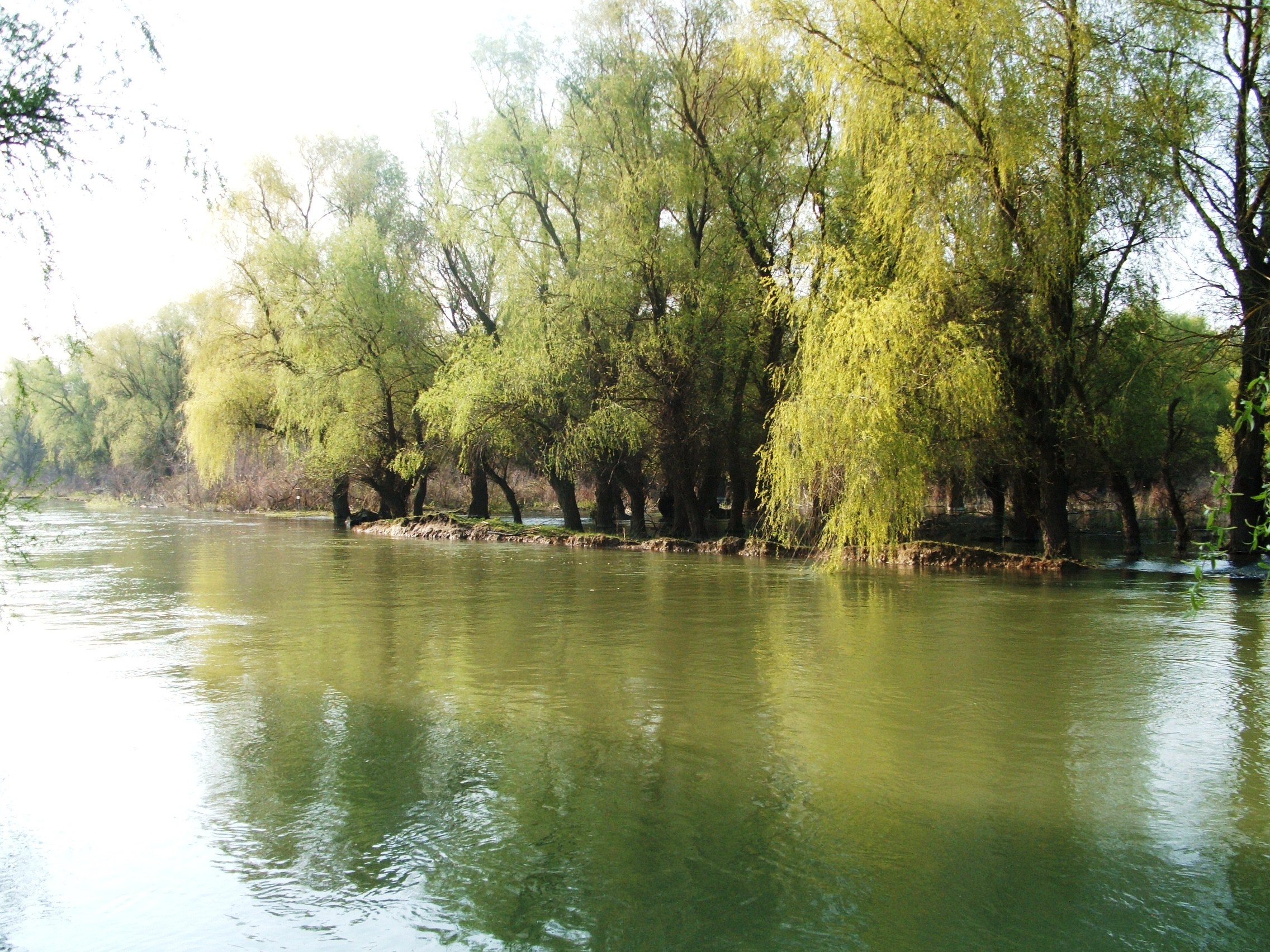
Danube Delta
Wetlands, biodiversity and water systems.

Carpathian Heritage
Mountain architecture, tourism and cultural landscapes.
People, Education & Society
Population
Resident population was 19.041 million on 1 January 2026. Natural decrease remained large, while international migration recorded a positive net balance in 2025.
Education
Universities in Bucharest, Cluj-Napoca, Iași, Timișoara and other cities form a broad national higher-education network.
Health
Health-system research includes hospital infrastructure, digital health, medical technology and regional access.
History & Cultural Systems
Dacian societies and the Roman province of Dacia shaped the historical foundations of the region.
Wallachia, Moldavia and Transylvania developed distinct political and cultural systems.
Union of Moldavia and Wallachia followed by independence from Ottoman suzerainty.
The political unification of Transylvania and other territories with the Romanian state transformed the country's territorial framework.
The Romanian Revolution marked the transition away from communist rule.
Romania's EU membership and its regional European role have shaped contemporary development.
Regional Research Map
Bucharest–Ilfov
Government, finance, universities, ICT, research and metropolitan infrastructure.
Cluj & North-West
Technology, universities, services and regional innovation.
Timișoara & West
Manufacturing, engineering, cross-border trade and universities.
Iași & North-East
Higher education, health, ICT and regional development.
Constanța & Black Sea
Port logistics, maritime systems, energy and coastal research.
Danube Delta & Carpathians
Biodiversity, water, forests, climate adaptation and sustainable tourism.